
A mortgage deed is a legally binding document that gives your mortgage lender a legal interest in your property as security for your mortgage. You sign it during the conveyancing process before your purchase or remortgage completes.
If you’re buying a home or remortgaging, receiving a mortgage deed is a normal part of the legal process. While it may seem like just another document to sign, it plays an important role in allowing your lender to secure the money they’re lending against your property. Without a valid mortgage deed, your mortgage cannot usually complete.
Understanding what you’re signing can help you feel more confident as your transaction progresses. In this guide, we’ll explain everything you need to know about mortgage deeds, including:
- What a mortgage deed is and why it’s needed.
- How a mortgage deed differs from a mortgage offer.
- Where it fits into the conveyancing process.
- What information a mortgage deed contains.
- When and how to sign it correctly.
- Who can witness your mortgage deed.
- Whether you can sign it electronically.
- What happens after you’ve signed and returned it.
- The role your conveyancing solicitor plays.
- Common problems and how they’re resolved.
By the end of this guide, you’ll understand exactly what a mortgage deed is, why you need one, and what to expect at every stage of the process.
What Is a Mortgage Deed?
A mortgage deed is a legal document that secures your mortgage against the property you’re buying or remortgaging.
By signing it, you agree that your mortgage lender can register a legal charge against your property until you repay the mortgage in full. This gives the lender certain legal rights if you don’t meet the mortgage terms.
Mortgage lenders require a mortgage deed because they’re lending a significant amount of money to help you buy or remortgage a property. The legal charge gives them security for that loan, while allowing you to own and live in the property as normal.
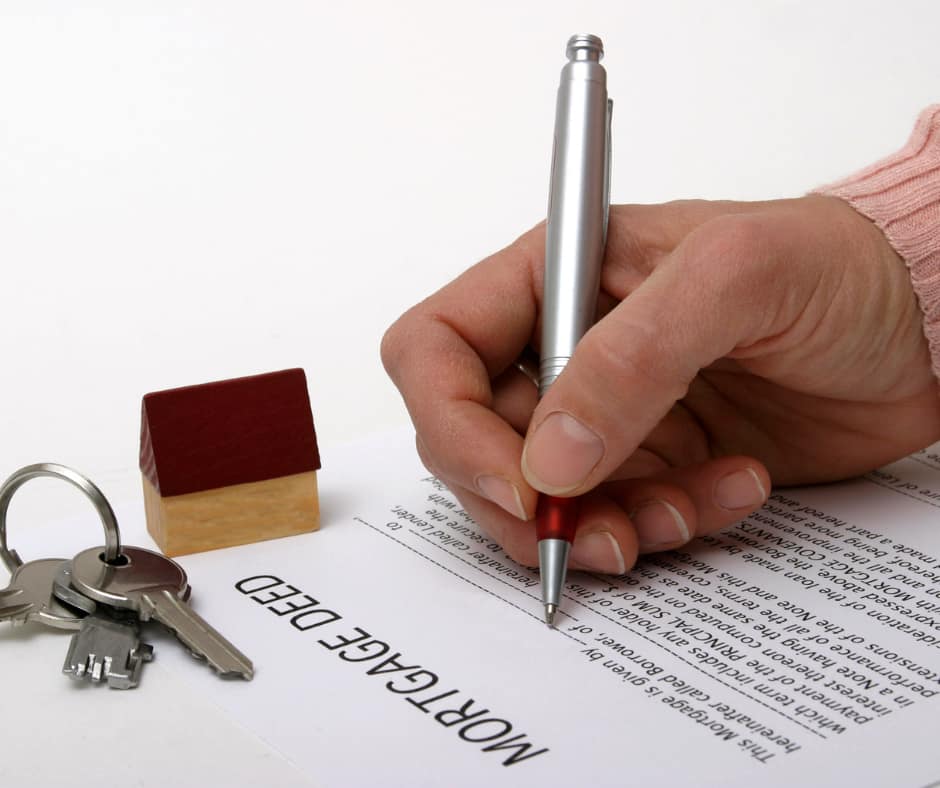
It’s important to understand that signing a mortgage deed does not mean your lender owns your home. You remain the legal owner of the property, with the freedom to live in it, improve it and, if you choose, sell it. The mortgage deed simply records your lender’s legal interest in the property until you pay off your mortgage.
You may come across the term legal charge during the conveyancing process. In simple terms, this is the legal mechanism that links your mortgage to your property. It protects the lender if you don’t repay the mortgage, while allowing them to lend you the money in the first place.
A useful way to think about it is like financing a car. You drive the car, maintain it and use it every day, but the finance company has certain legal rights until you’ve finished making the payments. A mortgage deed works in a similar way, although the legal process is different because it relates to property rather than a vehicle.
You use a mortgage deed whenever you buy a property with a mortgage. You will also usually need one when remortgaging with a new lender.
Once you repay the mortgage in full, the lender removes the legal charge. You then own the property free from that mortgage.
If you’ve also received a mortgage offer, it’s easy to assume it’s the same document. In reality, they serve two very different purposes. We’ll explain the difference in the next section.
Mortgage Deed vs Mortgage Offer – What’s the Difference?
It’s common to confuse a mortgage deed with a mortgage offer. You’ll often receive both during the conveyancing process. However, they serve very different purposes.
A mortgage offer is your lender’s formal agreement to lend you the money you need to buy or remortgage a property. It sets out the mortgage terms, including the loan amount, interest rate, repayment period and any conditions you must meet before the lender releases the funds.
A mortgage deed is the legal document you sign to secure the loan against your property. It allows your lender to register a legal charge with HM Land Registry. This gives the lender security until you repay the mortgage in full.
The easiest way to think about it is that the mortgage offer explains what your lender is willing to lend, while the mortgage deed makes the agreement legally effective by securing the loan against your property.

| Mortgage Offer | Mortgage Deed |
| Confirms the lender has agreed to provide your mortgage. | Legally secures the mortgage against your property. |
| Sets out the loan amount, interest rate and mortgage terms. | Gives the lender a legal charge over the property. |
| Issued after your mortgage application is approved. | Signed during the conveyancing process before completion. |
| Doesn’t need to be witnessed or registered. | Usually needs to be witnessed and is used to register the lender’s legal interest. |
You’ll usually receive your mortgage offer before your mortgage deed. Once your conveyancing solicitor has received the offer and completed the necessary legal checks, they’ll send you the mortgage deed with instructions on how and when to sign it. Both documents are essential, but they perform different roles in helping your purchase or remortgage complete successfully.
Where Does the Mortgage Deed Fit Into the Buying Process?
Receiving a mortgage deed is a normal part of buying a property with a mortgage. It usually arrives after your lender approves your mortgage application but before your purchase completes. Understanding where it fits into the conveyancing process can make the transaction feel much less daunting.
A typical property purchase follows these steps:
- Your offer is accepted. Once the seller accepts your offer, the conveyancing process begins.
- You apply for a mortgage. Your chosen lender assesses your application, finances and the property before deciding whether to lend.
- Your lender issues the mortgage offer. If your application is successful, your lender sends the formal mortgage offer to you and your conveyancing solicitor.
- Your solicitor prepares the mortgage deed. They send it to you, explain the document and provide instructions for signing it.
- You sign the mortgage deed. In most cases, you’ll need to sign it in front of an independent witness.
- You return the signed deed. Your conveyancing solicitor checks that you completed it correctly before continuing with the transaction.
- You exchange contracts. Once both parties complete the legal work and are ready to proceed, you exchange contracts. The completion date then becomes legally binding.
- You complete the purchase. Your lender releases the mortgage funds, ownership transfers to you and you receive the keys to your new home.
- Your solicitor registers the mortgage. After completion, they register your ownership and the lender’s legal charge with HM Land Registry.
Although signing the mortgage deed is an important milestone, it’s only one step in the wider conveyancing process. Your solicitor will continue carrying out legal work after you’ve returned the document, helping ensure everything is in place before completion and registering your lender’s legal charge once the purchase has finished.
What Information Does a Mortgage Deed Contain?
AlthoAlthough the layout of a mortgage deed can vary between lenders, most contain similar information. Each section serves a specific purpose. Together, they legally link the correct property, borrower and mortgage.
Here’s what you’ll typically find in a mortgage deed:
- Borrower details – Your full name and, where applicable, the names of any joint borrowers. This confirms who is legally responsible for the mortgage.
- Property details – The address of the property you’re buying or remortgaging. This identifies the property linked to the mortgage.
- Lender details – The name of your mortgage lender. This confirms which organisation is providing the loan and holds the legal charge.
- Legal charge – This confirms that you’re using the property as security for the mortgage. It allows the lender to register its legal interest until you repay the mortgage in full.
- Signature section – This is where you sign the mortgage deed and agree to its terms. If there is more than one borrower, each person will usually need to sign.
- Witness declaration – An independent witness completes this section after watching you sign the document. This helps confirm that you signed the deed correctly.
Although a mortgage deed is a legal document, you don’t need to understand complex legal language before signing it. Your conveyancing solicitor will check the document and explain anything you’re unsure about. They will also make sure you complete it correctly before your purchase or remortgage progresses.
If you’re unsure about any part of the mortgage deed, ask us before signing. Our conveyancing solicitors can explain what each section means and answer your questions.
How Do You Sign a Mortgage Deed?
Signing a mortgage deed is usually straightforward, but it’s important to follow your conveyancing solicitor’s instructions carefully. Completing the document correctly helps avoid unnecessary delays and ensures your purchase or remortgage can continue as planned.

When Will You Receive It?
You’ll usually receive your mortgage deed after your lender issues your mortgage offer. Your conveyancing solicitor will also complete the initial legal work first.
Your solicitor prepares the deed using details from your approved mortgage offer. Once it’s ready, they’ll send it to you with clear instructions on how to sign and return it.
How Should You Sign It?
Before signing your mortgage deed, read any instructions provided by your conveyancing solicitor. In most cases, you should:
- Sign using your normal signature.
- Sign exactly where indicated.
- Ensure an independent witness is present if required.
- Return the document promptly once you’ve completed it.
Avoid making alterations, crossing out information or adding notes to the document unless your solicitor has specifically advised you to do so. If you spot an error, contact them before signing.
Can You Sign It Electronically?
Sometimes. Whether you can sign a mortgage deed electronically depends on your mortgage lender and the conveyancing process they use.
Digital conveyancing is becoming increasingly common, and some lenders now accept electronic signatures for mortgage deeds. However, others still require a traditional wet-ink signature witnessed in person. Your conveyancing solicitor will let you know which method applies to your transaction and guide you through the correct process.
What Happens If You Make a Mistake?
Mistakes on a mortgage deed are more common than you might think. Your solicitor can usually resolve them without affecting your purchase or remortgage.
Common issues include:
- A missing signature.
- An incorrect date.
- Crossing out or amending information.
- Missing or incomplete witness details.
If you notice a mistake, don’t try to correct it yourself unless your solicitor advises you to. Instead, let them know as soon as possible. In many cases, they’ll simply ask you to complete a replacement deed or sign a new copy, allowing the transaction to continue with minimal disruption.
Who Can Witness a Mortgage Deed?
In most cases, an independent adult aged 18 or over must witness your mortgage deed. The witness should not be part of the mortgage or have a personal interest in the transaction. A solicitor can act as a witness, but you usually won’t need one.
When choosing a witness, they should:
- Be aged 18 or over.
- Be independent and impartial.
- Witness you signing the mortgage deed in person.
- Sign the deed themselves after witnessing your signature.
It’s generally best to avoid asking a close family member or anyone named on the mortgage to act as your witness. If you’re unsure whether someone is suitable, your conveyancing solicitor can advise you before you sign.
What Happens After You Sign the Mortgage Deed?
Signing your mortgage deed is an important milestone, but it doesn’t complete the legal process. Several steps still need to happen before your purchase or remortgage is final. Here’s what you can expect next:
You return the signed mortgage deed to your solicitor.
Once you’ve signed the document and your witness has completed their section, send it back to your conveyancing solicitor.
Your solicitor checks the mortgage deed.
They’ll check your signature, witness details and the lender’s requirements. If they find any issues, they’ll contact you so you can correct them quickly.

Your solicitor satisfies any remaining lender requirements.
Before the lender releases your mortgage funds, your solicitor completes any outstanding legal work. They also confirm that you have met the lender’s conditions.
You exchange contracts for a property purchase.
Once everyone is ready, you exchange contracts with the seller. The transaction then becomes legally binding and you agree a completion date.
You complete the purchase or remortgage.
On the agreed completion date, your lender releases the mortgage funds. If you’re buying, ownership transfers to you and you receive the keys. If you’re remortgaging, your new mortgage repays the existing one.
Your solicitor registers the mortgage with HM Land Registry.
After completion, your solicitor registers the lender’s legal charge against the property. HM Land Registry then records the mortgage on the property title. This completes the legal process.
What Does Your Conveyancing Solicitor Do With a Mortgage Deed?
Your conveyancing solicitor plays an important role in ensuring you complete your mortgage deed correctly. They’ll explain what the document means and check your signature and witness details. They’ll also make sure the deed meets your mortgage lender’s requirements.
Once everything is in order, they’ll return the deed to your lender or follow their instructions. After your purchase or remortgage completes, they’ll register the lender’s legal charge with HM Land Registry. This ensures the mortgage appears correctly on the property’s title.
Can a Mortgage Deed Be Changed or Cancelled?
Yes, but your options depend on where you are in the conveyancing process. Changes are usually straightforward before completion. After completion and registration, changing or cancelling the deed becomes more formal.
Before Completion
If your mortgage deed contains an error or your circumstances change before completion, your conveyancing solicitor will usually arrange a replacement deed. You’ll normally need to sign the updated version before your purchase or remortgage can proceed.
After Completion
Once your mortgage has completed, the mortgage deed has taken legal effect and can’t simply be cancelled. If changes are needed, they will usually involve a new legal process and, in some cases, a new mortgage deed.
During a Remortgage
When you remortgage with a new lender, your existing mortgage is repaid and a new mortgage deed is signed. Your solicitor then arranges for the previous lender’s legal charge to be removed and the new lender’s legal charge to be registered with HM Land Registry.
When the Mortgage Is Repaid
After you’ve repaid your mortgage in full, your lender will arrange for its legal charge to be removed from the property’s title. Once this has been completed, the mortgage deed no longer has any practical effect because the loan has been settled.
During a Transfer of Equity
If someone is being added to or removed from the ownership of a property, known as a transfer of equity, a new mortgage deed may be required. This ensures the mortgage accurately reflects the property’s new ownership and any changes approved by the mortgage lender.
Common Problems With Mortgage Deeds
Most mortgage deeds are completed without any problems. However, mistakes can happen if the deed is not signed or witnessed correctly. Most issues are easy to fix and should not delay your purchase or remortgage if found early.
Incorrect Witness
One of the most common issues is using someone who isn’t a suitable witness. For example, the witness may be under 18, named on the mortgage, or not independent. If this happens, your conveyancing solicitor will usually ask you to sign a new mortgage deed with an appropriate witness. While this can cause a short delay, it’s a straightforward issue to fix.
Missing Signature
If a required signature is missing, your lender will usually reject the mortgage deed. Your solicitor will contact you and ask you to sign it correctly. Most signing issues are resolved quickly and should not affect your completion date if caught early.
Incorrect Personal Details
A mortgage deed may occasionally contain incorrect details, such as a misspelt name or the wrong property address. If you spot an error, do not change the document yourself. Tell your conveyancing solicitor instead. They can correct the mistake or arrange a replacement mortgage deed if needed.
Lost Mortgage Deed
If you lose your signed mortgage deed before completion, don’t panic. Your conveyancing solicitor can usually prepare a replacement for you to sign. This may add a little extra time to the process. However, solicitors deal with this situation regularly and can usually resolve it without significant disruption.
Registration Delays
After completion, your solicitor must register your lender’s legal charge with HM Land Registry. Registration can sometimes take longer than expected because of processing times at the Land Registry rather than any issue with your mortgage deed. This doesn’t usually affect your ownership of the property or your ability to live in your new home while the registration is being completed.
Most problems with mortgage deeds are administrative rather than legal. Your conveyancing solicitor will check the document carefully before completion and guide you if anything needs correcting. By following their instructions and returning the document promptly, you can help minimise delays and keep your purchase or remortgage on track.
Frequently Asked Questions
Who Sends the Mortgage Deed?
Your mortgage deed is usually sent to you by your conveyancing solicitor after your mortgage offer has been issued. Although the mortgage lender prepares or authorises the document, it’s your solicitor who checks it, explains what it means, and provides instructions on how to sign and return it.
This happens because your solicitor needs to make sure the mortgage deed matches your transaction and satisfies your lender’s requirements before completion. They’ll also answer any questions you have and confirm whether the document needs to be signed in wet ink or electronically.
If your mortgage offer has been issued but you haven’t yet received your mortgage deed, your conveyancing solicitor can advise when you should expect it.
Do Both Buyers Need to Sign the Mortgage Deed?
Yes. If two or more people are taking out the mortgage together, each borrower will usually need to sign the mortgage deed.
This confirms that everyone named on the mortgage agrees to the lender registering a legal charge against the property. Each borrower will normally need to:
- Sign the mortgage deed.
- Have their signature witnessed if required.
- Follow the instructions provided by the conveyancing solicitor.
If one person doesn’t sign the mortgage deed, your mortgage lender is unlikely to release the funds, meaning your purchase or remortgage cannot usually complete until the issue has been resolved.
Is a Mortgage Deed Legally Binding?
Yes. A mortgage deed is a legally binding document once it has been correctly signed, witnessed where required, and completed as part of your purchase or remortgage.
By signing the deed, you confirm that you accept the mortgage and agree to your lender securing the loan against your property. This doesn’t transfer ownership of your home to the lender, but it does give them legal rights over the property until the mortgage has been repaid.
Because it is legally binding, you should always read the document carefully and ask your conveyancing solicitor to explain anything you’re unsure about before signing.
Does Every Mortgage Require a Mortgage Deed?
Most mortgages require a mortgage deed, including the majority of residential property purchases and remortgages. The deed allows your mortgage lender to secure the loan against your property before releasing the mortgage funds.
There can be exceptions depending on the lender, the type of mortgage, and whether the transaction uses a digital conveyancing process. Some lenders now use electronic mortgage deeds, while others still require traditional signed documents.
If you’re unsure whether your transaction requires a mortgage deed, your conveyancing solicitor will explain the process and tell you exactly what’s needed.
Can You Complete Without Signing a Mortgage Deed?
No. If your mortgage lender requires a mortgage deed, your purchase or remortgage cannot usually complete until it has been signed correctly.
Before releasing your mortgage funds, your lender needs confirmation that the deed has been completed in accordance with its requirements. This typically includes:
- The correct signatures.
- A suitable witness where required.
- No unauthorised alterations.
- The document being returned to your conveyancing solicitor.
Returning the mortgage deed promptly and following your solicitor’s instructions helps reduce the risk of unnecessary delays as your completion date approaches.
What Does a Mortgage Deed Look Like?
A mortgage deed usually looks like a formal legal document containing details about you, your property and your mortgage lender. While the layout varies between lenders, the information included is broadly the same.
You’ll typically see:
- The names of the borrower or borrowers.
- The property’s address.
- Your mortgage lender’s details.
- The legal charge.
- Signature and witness sections.
Although the document may contain legal terminology, your conveyancing solicitor will explain anything that’s unclear before you sign. There’s no need to compare it with examples online, as every lender uses its own format.
Can You Get a Copy of Your Mortgage Deed?
Yes. You can usually obtain a copy of your mortgage deed if you need one after your purchase or remortgage has completed.
Your first point of contact should normally be your conveyancing solicitor, who may still hold a copy of the document. Depending on when your transaction completed, your mortgage lender may also be able to help.
Once the transaction has finished, your lender’s legal charge will also be recorded against your property’s title at HM Land Registry. If you’re unsure where to obtain a copy, your conveyancing solicitor can advise you on the quickest and most appropriate route.
Need Help Understanding Your Mortgage Deed?
Receiving a mortgage deed is a normal part of buying a property or remortgaging. While it’s an important legal document, it shouldn’t be a source of concern.
Understanding what you’re signing, why it’s needed, and what happens next can make the conveyancing process feel much more straightforward.
If you’re unsure about any part of your mortgage deed, don’t guess. Your conveyancing solicitor can explain the document, answer your questions, and make sure everything has been completed correctly before your transaction progresses.
At TBI Conveyancing, we’re committed to making the conveyancing process as clear and stress-free as possible. Whether you’re buying your first home, moving house, or remortgaging, our experienced team is here to guide you every step of the way.
If you’d like advice about your mortgage deed or need expert conveyancing support, contact us today.


